
It is a common sight during a humid Connecticut spring or summer: you walk past your outdoor cooling unit and notice a strange white coating on the copper lines. While it might seem like a sign that your system is working extra hard to keep you cool, seeing ice on your equipment is actually a major red flag. For homeowners across the region, understanding the importance of professional AC maintenance is the first step toward preventing a total system breakdown as temperatures start to climb.
The Hidden Dangers of a Frozen Cooling System
An air conditioner is designed to remove heat and moisture from your indoor air, not to create a winter wonderland inside your utility closet. When ice begins to form on the evaporator coils or the exterior refrigerant lines, it indicates a significant disruption in the cooling cycle. Ignoring this frost can lead to a "slugging" compressor—a catastrophic failure where liquid refrigerant enters the compressor motor—resulting in expensive repairs that could have been easily avoided with a routine check-up.
1. Restricted Airflow is Often the Culprit
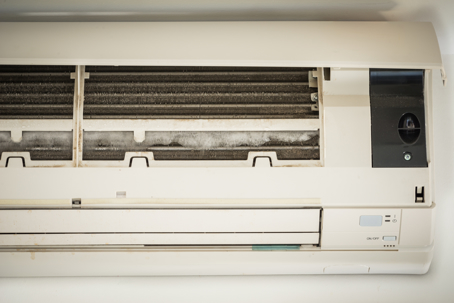
The most frequent cause of an icy unit is simply a lack of airflow. When dust, dirt, or a clogged filter prevents warm indoor air from passing over the cooling coils, the refrigerant inside stays too cold. This causes moisture in the air to instantly freeze onto the metal. Regular filter changes and professional coil cleanings are the simplest ways to keep the air moving and the ice away.
2. Low Refrigerant Levels Signal a Leak
Contrary to popular belief, air conditioners do not "use up" refrigerant like a car uses gas. If your refrigerant levels are low enough to cause freezing, you likely have a leak in your lines. Operating a system with low refrigerant puts immense strain on the entire setup, spiking your energy bills and shortening the lifespan of your equipment.
3. Damaged Blower Fans and Motors
If the fan that blows air through your vents is sluggish or broken, the cold air remains trapped inside the unit. This lack of movement leads to a rapid temperature drop around the internal components, causing ice to build up and eventually block the entire system. A technician can identify these mechanical issues during a standard tune-up before they cause a total shutdown.
4. Blocked Condensate Drains
Your AC pulls a significant amount of humidity out of the air in Connecticut. This moisture is supposed to drain away safely, but if the drain line is clogged with algae or debris, that standing water can freeze when it comes into contact with the cold coils. This leads to ice dams and, eventually, water damage inside your home as the ice melts and overflows the drain pan.
5. Thermostat Malfunctions
Sometimes the issue isn't mechanical at all, but electrical. If your thermostat is miscalibrated and tells the system to run constantly without a break, the coils never have a chance to warm up and shed natural condensation. This non-stop operation is a fast track to a frozen unit and a significantly higher utility bill.
Protect Your Home Comfort with Professional Care
The best way to handle ice on your system is to catch the underlying issues before the first heatwave hits. By prioritizing your annual cooling check-up, you ensure that every component—from the filters to the refrigerant lines—is operating at peak efficiency. Our family-owned team is dedicated to keeping your home a sanctuary of comfort, no matter how high the humidity rises outside.
Don't wait for your cooling system to turn into an ice box. If you spot frost or notice a drop in airflow, it is time to call in the experts for a thorough inspection. Contact Levco at (203) 533-8249 today to schedule your preventative service and keep your home cool all season long.